
News & Insights
IoT Applications in Industry: Innovative Solutions for Businesses
On Digitals
10/06/2026
31
In today’s hyper-connected world, IoT applications in industry are reshaping how businesses operate, from factory floors to supply chains. Also known as the Industrial Internet of Things (IIoT), this network of smart sensors and connected devices enables real-time insights, predictive maintenance, and process automation. In this article, we explore top IIoT applications, practical examples, and how to start implementing them effectively.
Understanding Industrial IoT: Core Components and Concepts
What is the Industrial Internet of Things?
The Industrial Internet of Things (IIoT) refers to the use of connected devices, sensors, and software in industrial settings to collect, exchange, and act on real-time data. While consumer IoT focuses on everyday conveniences, think smart thermostats and fitness trackers, industrial IoT is all about optimizing heavy-duty operations in sectors like manufacturing, logistics, and energy. The stakes are higher, the environments harsher, and the systems more complex.
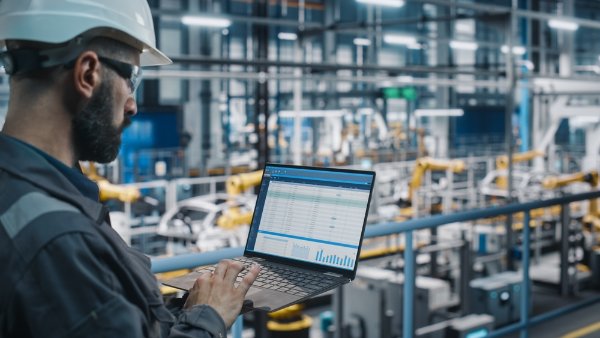
What is Industrial IoT?
Key terms to understand about Industrial IoT
Industrial IoT Devices
These are specialized machines equipped with connectivity features. From robotic arms in automotive factories to smart meters in utility plants, these devices capture and transmit operational data continuously.
Industrial IoT Sensors
Sensors are the eyes and ears of an IIoT system. They monitor everything from temperature and pressure to vibration and humidity. For instance, vibration sensors on rotating machinery can detect imbalance or wear before a failure occurs, allowing effective predictive maintenance.
Edge Computing
To reduce latency and reliance on cloud networks, edge computing allows data processing to happen closer to the source, right at the factory floor or production site. This enables quicker responses and reduces bandwidth usage.
Connectivity Protocols
These define how devices communicate. Common protocols in industrial IoT systems include MQTT, OPC UA, and LoRaWAN—each chosen based on speed, bandwidth, and energy efficiency needs. Reliable communication is crucial, especially when controlling mission-critical systems.
Top IoT Applications in Industry
As industries grow more complex and globally connected, IoT technology is stepping in to revolutionize how we manage operations, resources, and safety. Here are some of the most impactful IIoT applications in industry already driving results across various sectors:
Predictive Maintenance
Downtime is costly, especially when it’s unexpected. Predictive maintenance uses industrial IoT sensors to detect anomalies in equipment performance—such as changes in vibration, temperature, or pressure—before they escalate into failures.
Example: General Electric (GE) uses IIoT sensors and analytics software to monitor turbines and jet engines. They can forecast mechanical issues and schedule maintenance proactively, significantly reducing downtime and maintenance costs.
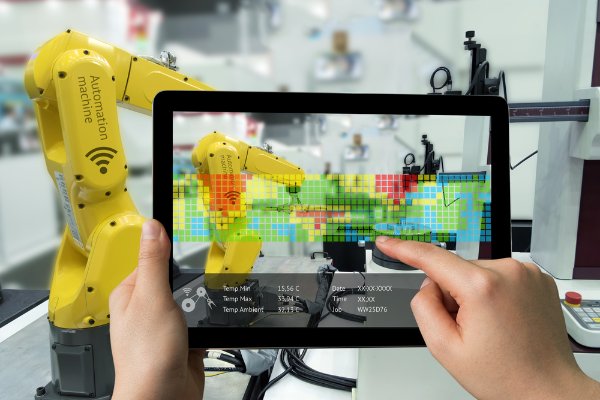
Predictive maintenance is one of the best applications of IoT
Smart Asset Tracking
In industries like logistics and construction, tracking high-value assets is critical. IIoT-enabled trackers monitor asset location, usage, and condition around the clock, improving transparency and reducing losses.
Example: Bosch’s connected logistics solutions use RFID tags and GPS to track containers, tools, and vehicles. Real-time dashboards alert managers to delays or deviations, improving efficiency and accountability.
Energy Optimization
Industrial operations are energy-intensive, but IoT sensors can uncover hidden inefficiencies. Tracking energy consumption and environmental conditions lets businesses automate climate control, shut down idle equipment, and reduce overall usage.
Example: Schneider Electric’s EcoStruxure platform uses a combination of smart meters and IIoT devices to help factories monitor and optimize energy usage across facilities. The result? Lower operational costs and a smaller carbon footprint.
Quality Control Automation
Maintaining consistent product quality is essential, especially in high-precision industries. IoT sensors and machine vision systems detect defects in real-time, ensuring standards are met without manual inspection.
Example: BMW integrates IIoT systems on its production lines to identify defects in real-time using AI-powered vision sensors. This not only improves product quality but also streamlines and automates the inspection process.

Automate quality control with the help of IIoT
Worker Safety & Compliance Monitoring
Ensuring worker safety in high-risk environments is non-negotiable for manufacturers and enterprises in industry. Wearable IIoT devices and environmental sensors can detect hazardous conditions, such as toxic gas levels or sudden falls, and send immediate alerts.
Honeywell’s Connected Worker solutions combine wearables, gas detectors, and location trackers to monitor worker health and environmental risks in real time. This proactive approach has helped reduce incidents and improve regulatory compliance.
Supply Chain & Inventory Management
Inefficiencies in inventory tracking lead to delays, shortages, or overstocking. IoT applications in industry provide real-time visibility into every stage of the supply chain, enabling more accurate forecasting and planning.
Example: Amazon uses a sophisticated network of RFID tags, smart shelving, and AI-driven analytics to manage inventory in its fulfillment centers. This results in faster delivery times and lower operational costs.
Benefits of Industrial IoT Systems
Industrial IoT systems aren’t just technological upgrades, they’re strategic enablers that reshape how businesses operate, make decisions, and scale. Here are a few hints on what you gain when you implement a well-structured IIoT framework:
- Increased operational efficiency: Automating routine tasks, optimizing resource usage, and minimizing manual intervention streamlines workflows sit atop the list. Machines communicate in real time, cutting bottlenecks and reducing delays.
- Data-driven decision-making: With continuous streams of data from industrial IoT devices and sensors, managers can spot trends, forecast outcomes, and act with confidence. That means no more guesswork and you can rest assured that you can know your systems inside and out with greater efficiency.
- Enhanced safety and compliance: Wearables and environmental sensors detect hazards (e.g., gas leaks, extreme temperatures) and trigger instant alerts. Automatic data logging also simplifies regulatory reporting so workers can have a safer working environment.
- Reduced maintenance costs and downtime: Predictive analytics pinpoint issues before they escalate. Scheduling service based on actual equipment health, not on arbitrary intervals, extends machine life and minimizes unplanned outages, reducing downtime and repair costs considerably.
- Scalability and future-readiness: A modular industrial IoT system can grow with your operations. Whether adding new sensors, integrating AI-driven analytics, or expanding to multiple sites, IIoT provides the flexible foundation for tomorrow’s innovations.
How can IIoT fit into your business?
Building a Scalable Industrial IoT System: What You Need
At its core, an industrial IoT system collects data from sensors, transmits it over a reliable network, processes it at the edge or in the cloud, and delivers actionable insights through analytics platforms. This closed loop of monitoring, communication, and control enables smarter operations and continuous improvement.
The key components of an Industrial IoT system are:
- Industrial IoT Sensors & Devices: Sensors gather real-time data on temperature, pressure, vibration, humidity, and more. Smart devices like PLCs (programmable logic controllers) often serve as gateways or processing units at the edge.
- Connectivity Solutions: Networks such as 5G, LoRaWAN, and industrial Ethernet transmit data securely and efficiently. 5G enables ultra-low latency for time-critical operations, while LoRaWAN supports long-range communication with minimal power consumption.
- Edge and Cloud Platforms: Edge computing handles immediate processing near the source, minimizing delays. Cloud platforms offer scalability, centralized data storage, and AI-driven analytics for deeper insights.
- Analytics and Visualization Software: AI and machine learning models process historical and real-time data to identify trends, predict failures, and support decision-making. Dashboards turn complex metrics into user-friendly visuals for operators and executives alike.
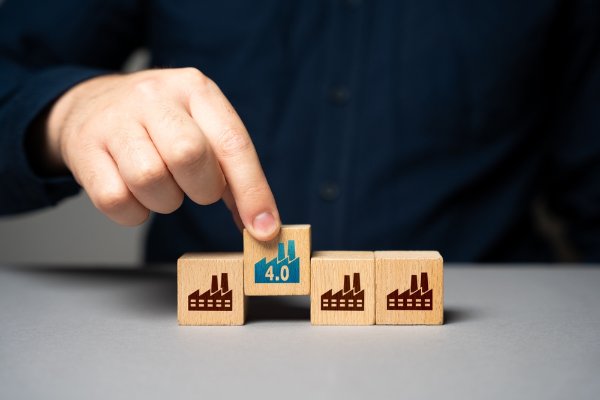
What are the steps in building your own IIoT system?
A truly scalable system must integrate easily with existing machinery, legacy software (e.g., SCADA, ERP), and third-party platforms. Interoperability is achieved through standardized protocols like MQTT and OPC UA, which ensure smooth data exchange.
Next up is security. IIoT systems face unique threats due to their exposure to both digital networks and physical infrastructure. Data encryption, role-based access control, network segmentation, and continuous vulnerability assessments are essential to defend against breaches and maintain operational integrity.
Challenges in IIoT Adoption And How to Overcome Them
Despite the growing benefits of industrial IoT systems, implementation doesn’t come without its hurdles. From cybersecurity risks to organizational resistance, understanding these challenges and how to overcome them can determine the success or failure of your IIoT strategy.
Data security and privacy concerns
Industrial IoT networks expand the attack surface for cyber threats, as thousands of connected devices transmit sensitive operational data. Breaches can disrupt production, compromise safety, and expose intellectual property.
Solution: Strengthen security at every layer. Use encrypted communication protocols (e.g., TLS), implement network segmentation, apply multi-factor authentication, and ensure firmware is regularly updated. Partnering with cybersecurity experts and conducting regular audits further enhances protection.
Legacy system integration
Many facilities rely on outdated machines and control systems that weren’t built to connect with modern IIoT devices or platforms. This will make it very possible for them to upgrade their pre-existing systems for the implementation of IoT technology.
Solution: Use edge gateways and industrial protocol converters to bridge legacy systems with modern IoT architectures. Middleware platforms that support open standards like OPC UA and MQTT help unify data across disparate systems, enabling interoperability without full system overhauls.

Integrating your legacy system can be a huge challenge
Cost and ROI concerns
IIoT deployments require upfront investments in hardware, software, connectivity, and training. This makes stakeholders hesitant without clear short-term returns.
Solution: Start with small, high-impact pilot projects such as predictive maintenance or energy monitoring. Gradually scale up using a modular approach. Highlight long-term gains like reduced downtime, improved efficiency, and better decision-making to justify investment.
Change management and employee training
Adopting IIoT means rethinking workflows, retraining staff, and sometimes facing resistance to automation or new technologies.
Solution: Involve employees early in the transformation process. Provide clear communication on benefits, offer hands-on training programs, and designate digital champions within teams. Building digital literacy fosters buy-in and ensures smoother transitions.
Getting Started with IIoT Applications with On Tech
The future of industrial performance lies in smart, connected systems, and IoT applications in industry is the right step towards that future. Whether you’re aiming for predictive maintenance, energy efficiency, or real-time quality control, the right IIoT approach can unlock new levels of productivity and resilience.
At On Tech, we specialize in incorporating IIoT functions into our software and websites. Ready to explore your IIoT potential? Partner with us today.
NEWEST POSTS
- AI Chatbot For Ecommerce: How to Choose, Launch and Scale in 2026
- Best AI Chatbot For Websites: 8 Tools Compared & When To Build Custom
- AI Chatbot Development: Process, Cost & What Actually Ships
- Chatbot vs Live Chat: Which Is Right for Your Business?
- How to Build And Integrate A RAG Chatbot Into Your Website
Read more
Tell us about your business challenge and get a tailored consultation today.